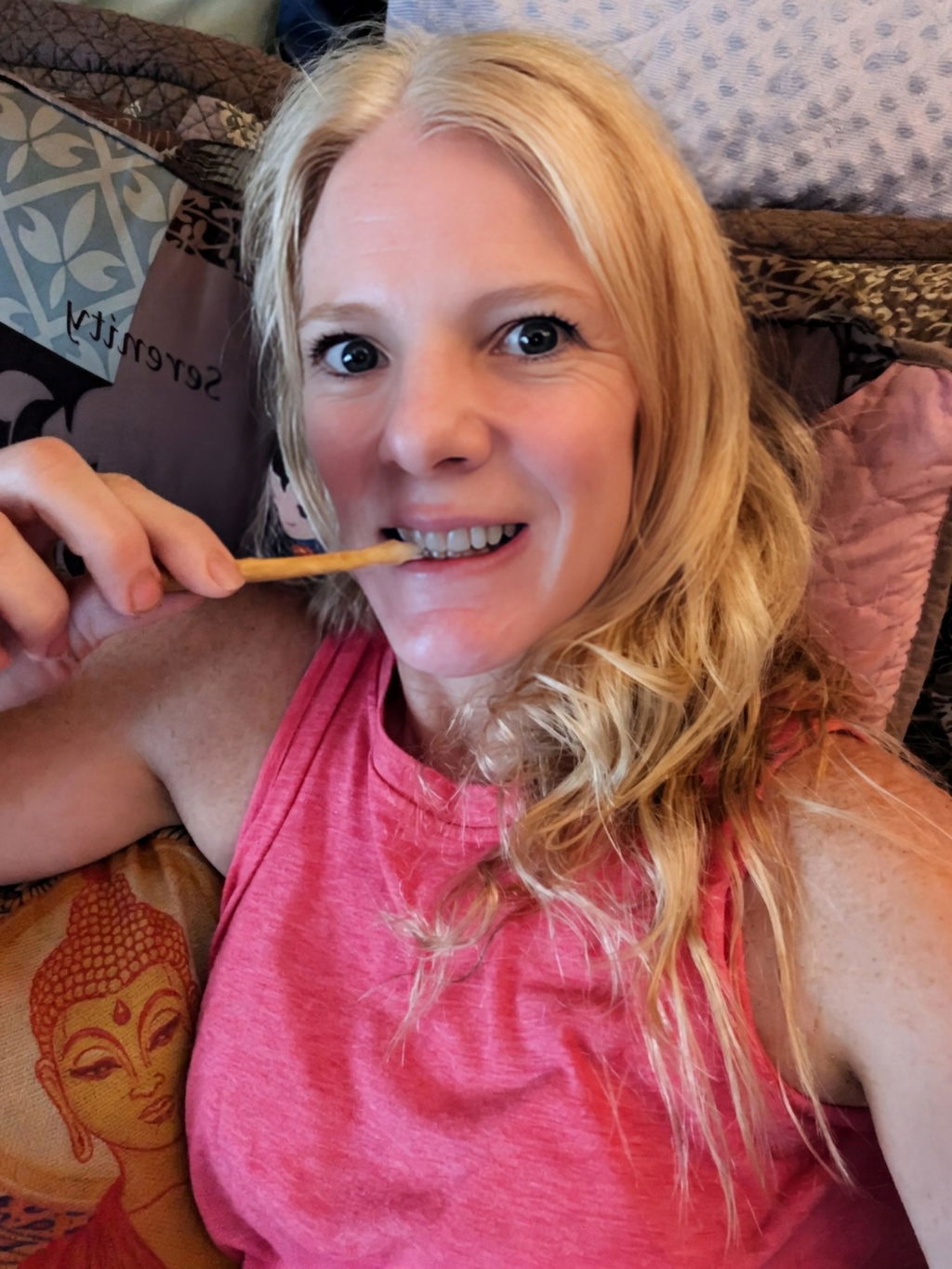
80 years ago, someone decided we should brush our teeth with hardened petroleum.
The plastic toothbrush is 86 years old. Miswak is 7,000. One of them was invented to be sold. The other just... existed. Here's why entire cultures still use the original.
Why did the plastic brush come into existence?
The plastic toothbrush was invented in 1938 from nylon — a petroleum derivative. Before that, humans cleaned their teeth with natural sticks for thousands of years.
The thing is, natural sticks worked fine — it's never changed. Then the plastic brush came along backed by scientific papers, factories, and a marketing budget.
To most people it was new, it was exciting, it had never been seen before. The new formulation sold a great user experience. The foam and the mints made people believe it was working. While the real toothbrush was phased out slowly.
Fast forward to today, Salvadora Persica trees are no longer planted, and oral care is now a 42 billion dollar industry.
Nylon meets your mouth
DuPont introduced the first nylon-bristle toothbrush. Nylon is a synthetic polymer made from petrochemicals — the same industry that John D. Rockefeller's Standard Oil had spent decades making indispensable to modern life. By the 1930s, petroleum derivatives were finding their way into everything: plastics, cosmetics, medicine, and now apparently, the thing you put in your mouth every morning.
Toothpaste gets foamy
SLS — sodium lauryl sulphate — gets added to toothpaste. It's an industrial detergent also used in engine degreasers. It just makes foam, and foam feels like something is working. It's a chemical that adds nothing but a sensory experience.
90% of adults have had a cavity
Despite 80+ years of the most advanced, dentist approved, oral care routine in history, 9 in 10 American adults have still experienced dental decay. The profits got better. The teeth didn't. Meanwhile the populations still using natural tools quietly continue having some of the lowest cavity rates on earth. How is this possible?
Your toothbrush cleans your teeth.
It doesn't feed them.
Think of it like food. A highly processed meal can technically provide calories — but strip away the nutrients and all you're left with is food but without the nourishment. Your teeth work exactly the same way. A plastic brush and chemical toothpaste clean the surface but put nothing back. Every day your teeth spend getting scrubbed but never fed is a day enamel thins a little more.
Cleans mechanically
It moves food debris off the surface but leaves behind nothing behind except microplastic particles. It's like rinsing a plant with distilled water — technically wet, but starving for nutrients.
Cleans and nourishes
Scrubs away bacteria and plaque while releasing natural silica, calcium, and antimicrobial compounds directly into your enamel. It cleans your teeth and strengthens them at the same time.
Your teeth lose minerals through chewing foods and drinking liquids. Your toothbrush never replenishes these minerals. The miswak does.
How the Miswak works differently
No chemicals. No toothpaste. No plastic.
🦷 Whiter Teeth
❌ Whitening strips bleach and weaken enamel. ✓ Miswak has natural silica that polishes and lifts stains while strengthening the enamel with calcium and other minerals.
🛡️ Kills Bad Bacteria
❌ Antibacterial rinses wipe out your entire oral microbiome. ✓ Miswak's 19+ natural compounds target harmful bacteria and leave the good ones intact.
💨 Eliminates Bad Breath
❌ Mouthwashes kill all bacteria — good and bad — and within an hour, the bad bacteria comes back stronger. ✓ Miswak removes the food debris that bacteria feed on and its antiseptic sulfuric compounds only target the bad bacteria causing the smell.
🌱 Strengthens Gums
❌ Sensitive toothpastes numb the symptom with potassium nitrate. ✓ Miswak's tannins and anti-inflammatories reduce swelling and build stronger tissue.
✅ No Toothpaste Needed
❌ Synthetic toothpaste, plastic toothbrush. ✓ Miswak replaces both and leaves no mess.
🌍 7,000 Years of Proof
❌ Modern products rely on 6-week trials funded by the companies selling them. ✓ Miswak has 7,000 years of continuous daily use across three continents.
Ready in 30 seconds.
Lasts weeks.
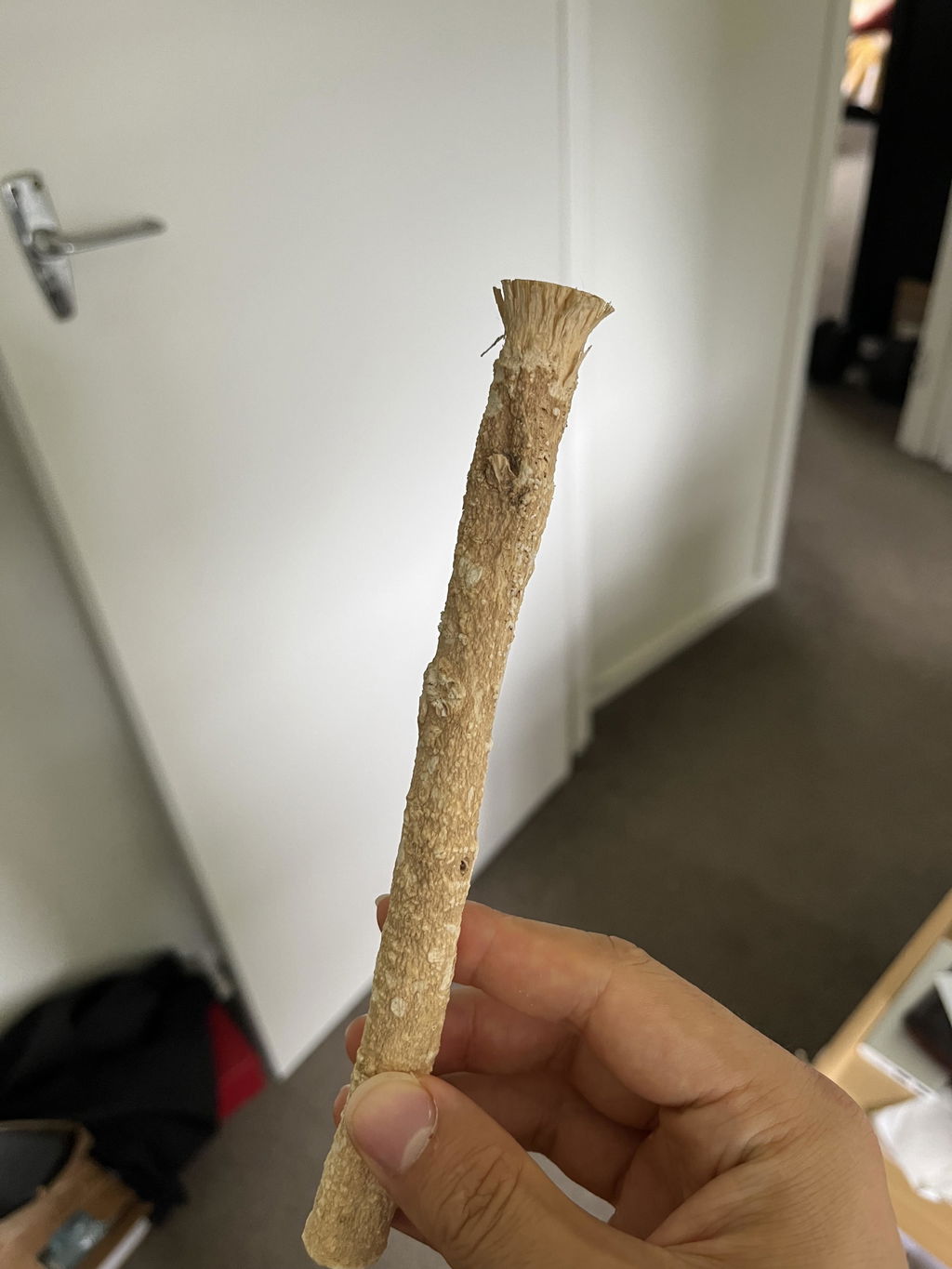
Peel back 5mm of bark
Exposes fresh fibres — these are your bristles.
Chew the tip until soft
Takes ~30 seconds. Fibres naturally splay out like a brush head.
Brush — no toothpaste needed
Cleans, whitens, and freshens breath all in one go.
Trim & repeat
When the tip wears, trim and chew a new section. One stick lasts weeks.
That's why entire cultures have used it for 7,000 years.
You don't use something for 7,000 years by accident. Across Africa, the Middle East, and Asia — generations of people who had access to nothing else discovered that this stick was all they needed. No dentist. No toothpaste. No plastic. Just a plant that happened to clean, nourish, and protect better than anything that came after it.
The WHO endorses it. Peer-reviewed studies back it. But honestly — 7,000 years of consistent daily use across multiple continents is a more convincing track record than any clinical trial.
Endorsed by the WHO as an effective oral hygiene tool
Some of the lowest cavity rates on earth in populations that have never stopped using it
No toothpaste, no plastic, no dentist — and better outcomes than the modern routine
The message is spreading.
The stick that's been going viral everywhere
Results, realistic timeline.
Most people notice a difference faster than they expect. Tap any milestone to see what's happening.
A different kind of clean
Felt from first useThe natural antibacterial compounds go to work immediately. Most people notice their mouth feels cleaner for longer than usual — no film, no morning fuzz. It's a different sensation to toothpaste: quieter, but more thorough.
A note on individual results: Everyone's starting point is different. The timeline above reflects average outcomes based on a survey of 312 miswak users. Some people notice results earlier, some later — depending on diet, existing oral health, and consistency of use. Results are not guaranteed and individual experiences will vary.